It Still Runs
When the older man backed his pickup to the repair shop, Cal stepped outside to help him unload. The lawn mower in the truck bed had faded red paint, a crooked wheel, and electrical tape wrapped around its handle. The man said it had stopped running Tuesday, halfway through the front yard. He’d finished the last strip with his neighbor’s mower, then spent two evenings trying to get his own started.
John brought it inside and checked the fuel before pulling the cord a few times. Nothing. He could already see several things that needed attention, and he told the man that fixing it might cost more than the mower was worth. There were new ones at the hardware store, he added, probably lighter and easier to push. The man rested his hand on the taped handle and explained that this one had belonged to his wife.
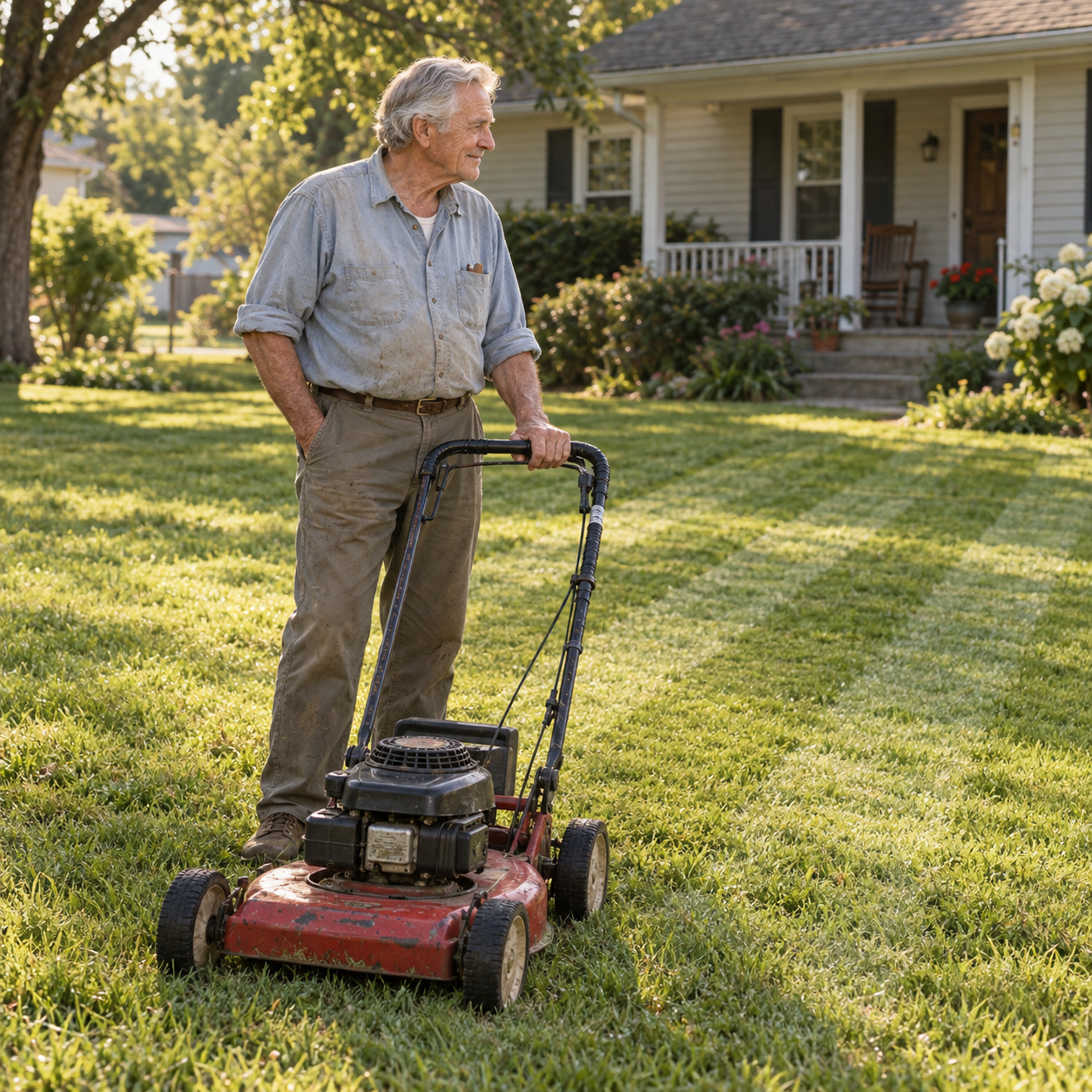
For twenty-three years, she had taken care of the front lawn. She liked straight lines and never thought he took enough time with them. He handled the hedges and hauled the clippings, but the mower was hers. Since she died last November, he’d been learning to do her part too. His first few attempts had been crooked, he admitted, though lately he thought she might approve. John set aside the replacement suggestion and wrote out a work tag. He’d check it properly before they decided anything.
That afternoon, John cleaned the carburetor, changed the spark plug, and tightened the loose wheel. On the third pull, the engine caught. When the older man returned, John started it outside for him. He stood quietly beside it, listening, then smiled and said that was the sound he remembered.
They loaded the mower together, and the man thanked John before heading home. The next morning, he filled the tank and started on the front yard. At the end of the first row, he stopped and looked back. It was a little crooked. He could almost hear her telling him he was rushing again.
He smiled, moved the wheels over, and went back to straighten it. There was nobody waiting on the porch to inspect his work anymore, but he wanted to get it right. When he finished, he stood beside the mower and looked across the lawn.
“You’d like that sweetheart, I miss you.” he said.
FOR THE ROAD
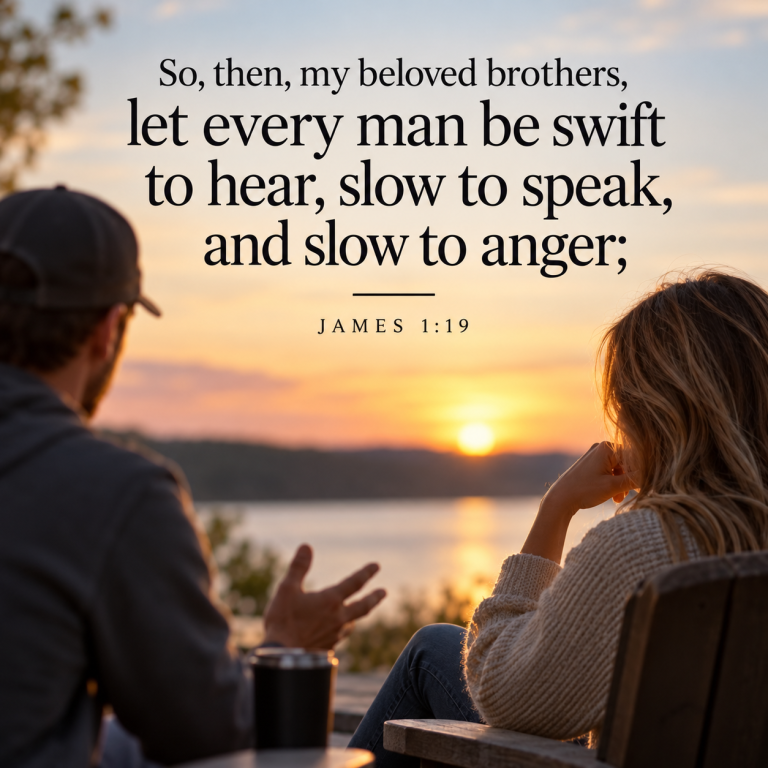
John’s advice made sense with what he knew. Listening gave him something he had missed. James 1:19 tells us to be “swift to hear, slow to speak.” We can practice that in everyday conversations by giving someone time to finish before offering an answer. A possession, a habit, or a small concern may carry a story we haven’t heard. Taking time to listen helps us understand the person God has placed in front of us.
“My dear brothers and sisters, take note of this: Everyone should be quick to listen, slow to speak and slow to become angry,” – James 1:19