

Learning Contentment in a Culture of More
“Let your conversation be without covetousness; and be content with such things as ye have.” — Hebrews 13:5
The world constantly tells us we need more.
More money. More recognition. More comfort. More success. More attention. More possessions. More control. More of whatever someone else seems to have.
That message can quietly shape the heart if we are not careful.
Hebrews 13:5 says, “Let your conversation be without covetousness; and be content with such things as ye have.”
Contentment is not a popular word in a restless culture. Many people confuse contentment with giving up, settling for less, or lacking ambition. But biblical contentment is not laziness. It is not pretending desires do not exist. It is not refusing to work, grow, or pursue what is good.
Contentment is a heart posture of trust.
It says, “Lord, You are my provider. You know what I need. You have been faithful. I do not have to be ruled by envy, comparison, or the constant demand for more.”
That kind of contentment is deeply connected to Christian living because discontentment can pull the heart away from God. It can make us resent what we have, overlook what God has given, and chase what may not be His will for us.
Discontentment often begins with comparison.
You see someone else’s life, home, marriage, ministry, income, appearance, opportunity, or success, and suddenly what God has placed in your hands feels smaller. The heart begins to say, “If only I had that, then I would be satisfied.”
But satisfaction that depends on getting the next thing will never stay satisfied for long. There will always be another comparison, another desire, another reason to feel behind, another voice saying your life is not enough.
Scripture calls us away from covetousness because God knows how it enslaves the heart.
Contentment does not mean every circumstance is easy. It does not mean you never pray for change. It does not mean you cannot pursue better work, healthier relationships, or wise provision. But it does mean your peace is not held hostage by what you do not yet have.
In real life, contentment may look like thanking God for daily provision. It may look like refusing to measure your worth against someone else’s visible blessings. It may look like choosing generosity instead of greed. It may look like enjoying simple gifts without feeling ashamed that they are simple.
Contentment is learned as we remember God’s faithfulness. We remember what He has already carried us through. We remember the mercy we did not earn. We remember the grace given in Christ.
The heart was not made to be satisfied by more stuff. It was made to rest in God.
Closing Reflection
Contentment is not the absence of desire. It is the presence of trust. A content heart learns to receive God’s provision with gratitude and resist the restless pull of comparison.
Prayer
Lord, teach me contentment in a world that constantly tells me I need more. Guard my heart from envy and comparison. Help me receive Your provision with gratitude, work with faithfulness, and trust You with what I have and what I lack. In Jesus’ name, Amen.
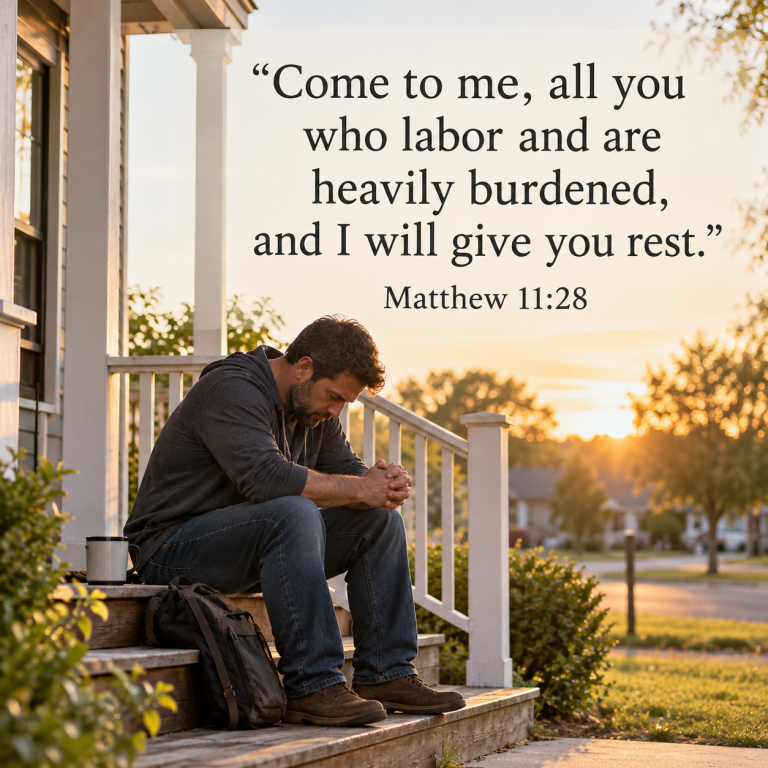





Contentment is difficult when we are constantly shown what we supposedly lack. Gratitude for what God has already provided is a discipline I want to practice more.